NVIDIA GeForce RTX 5090 and 5090D V2 Prices Set to Rise Amid GDDR7 Memory Shortage
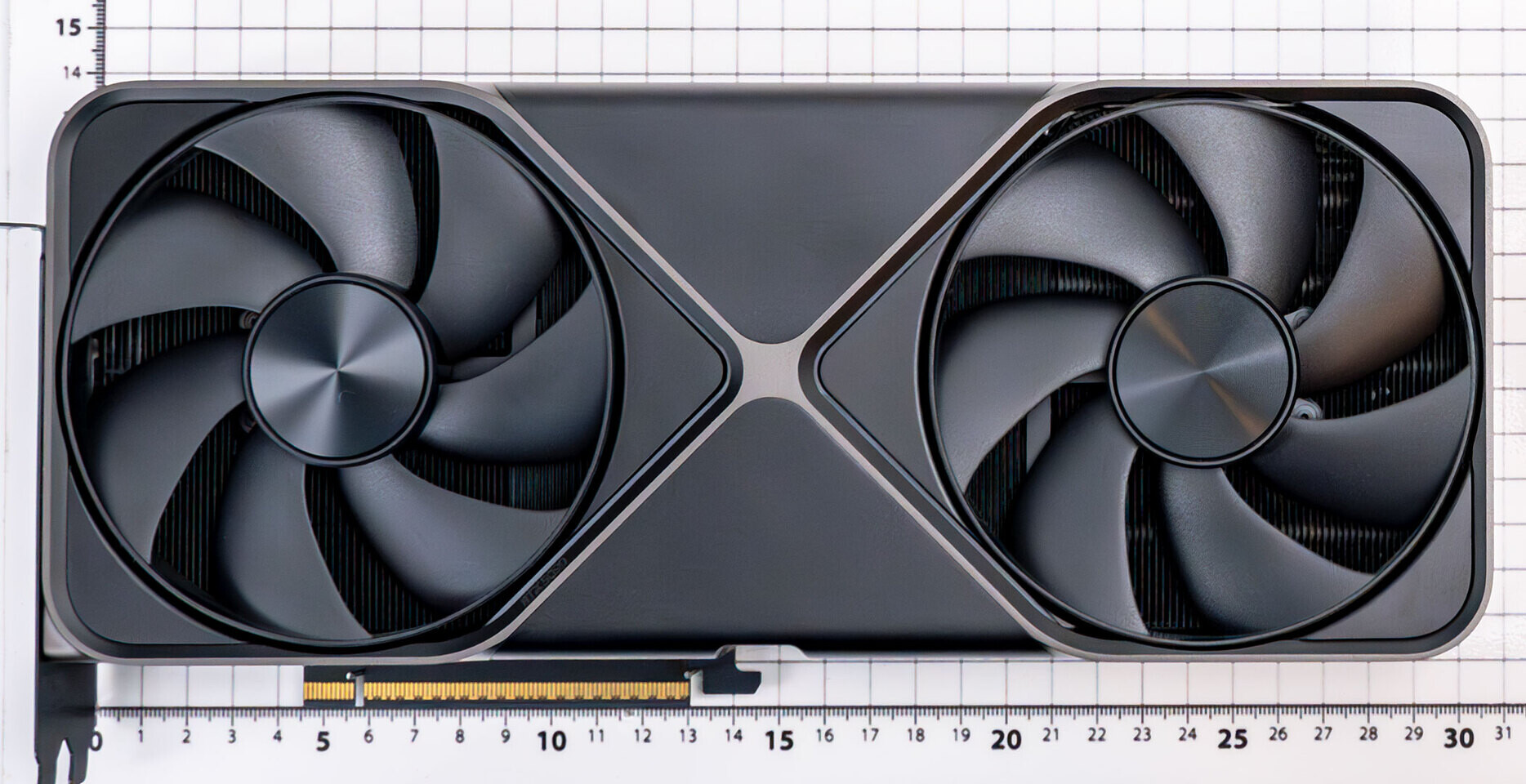
Recent reports from Chinese Board Channels, a trusted source within the graphics card supply chain, indicate that NVIDIA is preparing to raise the prices of its GeForce RTX 5090 and RTX 5090D V2 GPUs. This adjustment will result in a $300 (approximately 2,000 RMB) increase for NVIDIA’s add-in card (AIC) partners, who purchase these GPUs directly from the company. The primary driver behind this price hike is the escalating cost of GDDR7 memory, a critical component in high-end graphics cards.
GDDR7 Memory Shortage Impacts GPU Pricing
The global demand for GDDR7 memory has surged, leading to depleted inventories and extended lead times throughout the supply chain. Until now, NVIDIA has absorbed these increased memory costs, but the company is now passing them on to its AIC partners. This move is expected to have a direct impact on the retail prices of the GeForce RTX 5090 and RTX 5090D V2, as partners are likely to adjust their pricing to reflect the higher procurement costs.
NVIDIA supplies its AIC partners with a comprehensive "GPU kit," which includes the GPU die—specifically the GB202 for these models—and the necessary GDDR7 memory. This approach streamlines the manufacturing process for partners, eliminating the need for them to source memory independently, which could introduce delays and less favorable purchasing terms. NVIDIA’s ability to negotiate volume discounts typically benefits its partners, but the current shortage has forced the company to accept higher prices for GDDR7 memory, which are now being transferred down the supply chain.
Retail Prices Already Exceeding MSRP
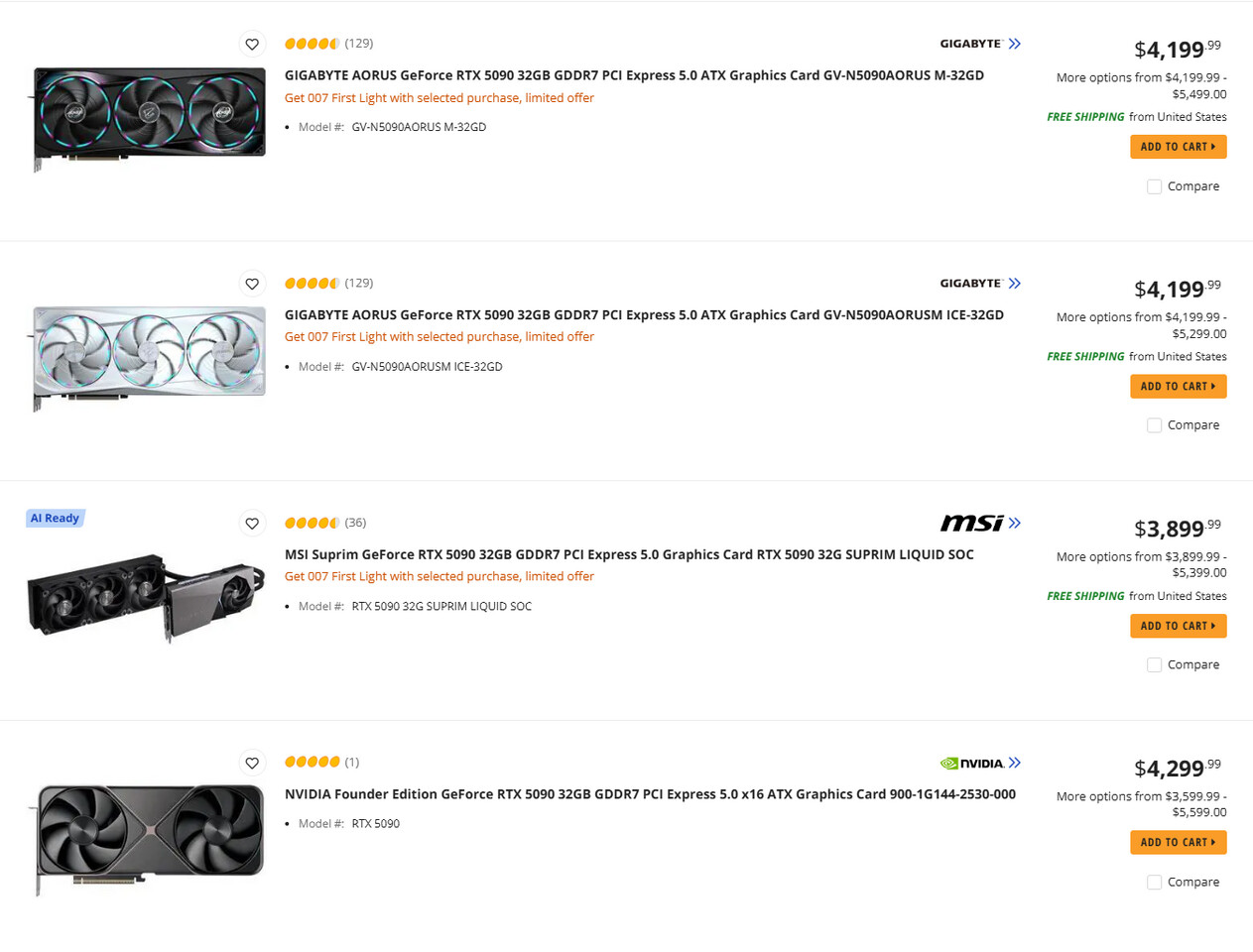
The effects of these supply chain challenges are already visible in the market. For instance, the GeForce RTX 5090 is frequently listed at prices exceeding $4,000 on major Western retailers such as Newegg. This is more than double the official MSRP of $1,999 still displayed on NVIDIA’s website. The only opportunity for consumers to purchase these GPUs at the original MSRP is through periodic restocks of the Founders Edition on the NVIDIA Marketplace, which tend to sell out quickly.
As the GDDR7 memory shortage continues and costs remain elevated, further price increases for high-end NVIDIA graphics cards are likely. Consumers and industry observers should expect ongoing volatility in GPU pricing until supply chain conditions stabilize.